PREVENTIVE MAINTENANCE
HVAC Maintenance in El Paso, TX
What seasonal inspection and preventive service typically cover for residential and commercial systems, given the dust, heat and long cooling season here.
What a maintenance visit typically covers
- Thermostat operation, settings and control wiring
- Filter condition and replacement, and return-air restriction checks
- Blower operation and measured airflow at the equipment
- Indoor coil and condensate drain inspection and clearing
- Outdoor condenser coil condition and cleaning as needed
- Refrigerant pressures and temperature readings
- Electrical components — contactors, capacitors, connections and amp draw
- Visible duct condition and obvious leakage at connections
- Safety controls and, on heating equipment, combustion-related components
Cooling season and heating season
Before cooling season. The priority is capacity and airflow: a clean condenser coil, a clear drain, correct charge and electrical components that will survive months of daily run time in high ambient temperatures.
Before heating season. El Paso winters are short but real, and a furnace that sat idle all summer is worth checking before the first cold night — ignition and safety controls, heat exchanger condition, airflow and thermostat changeover.
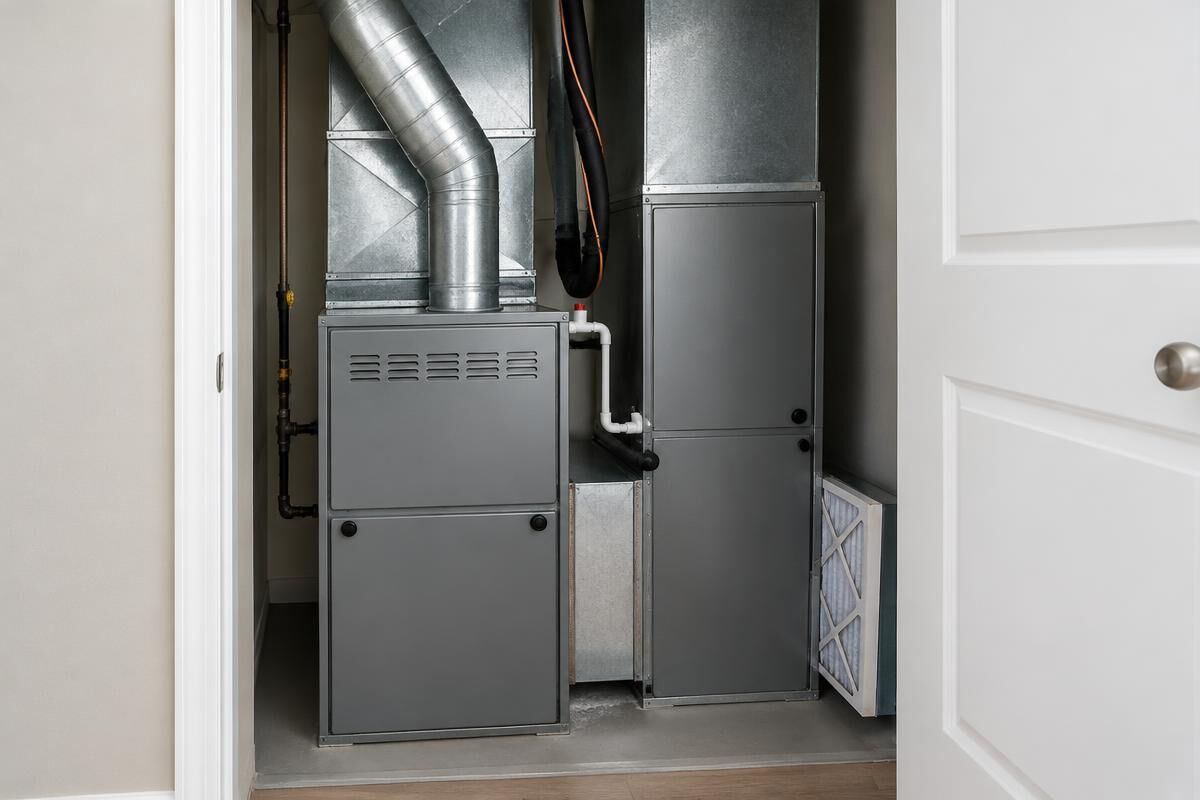 Indoor equipment inspection
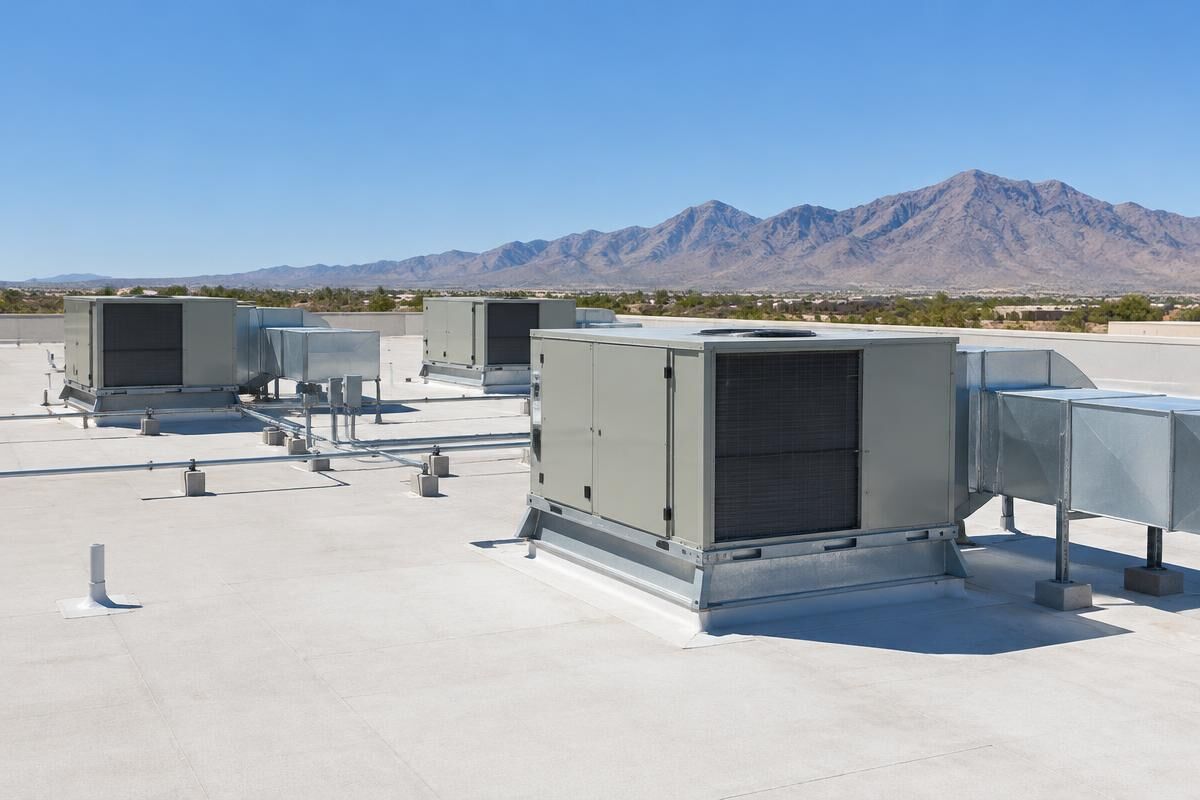 Rooftop unit service access
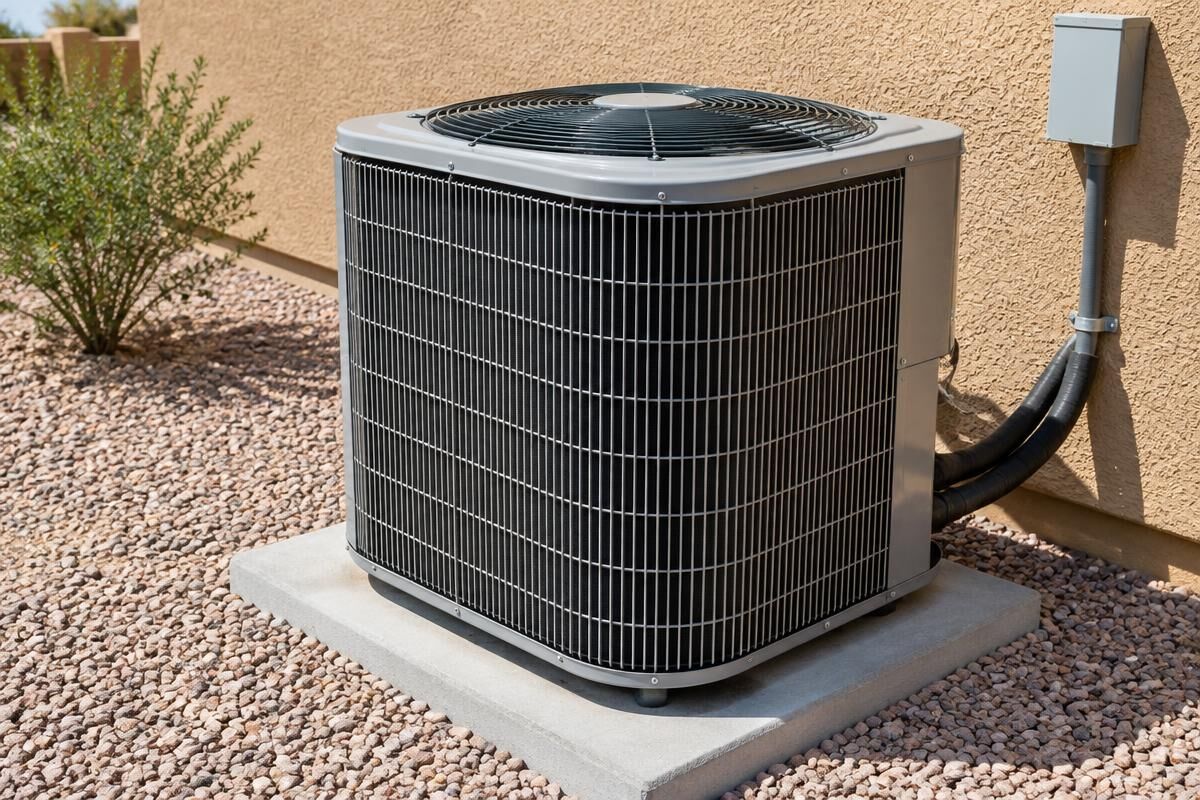 Condenser clearance and coil condition
Dust, sun and outdoor conditions here
Local conditions do much of the wear-and-tear that shows up during inspections. Windblown dust and grit load filters and coat condenser coils, which raises operating pressures and makes the system work harder for the same cooling. Sustained high temperatures shorten the life of capacitors and contactors. Unpaved lots, construction nearby and landscaping crowding an outdoor unit all make it worse. None of that is exotic — it just means service intervals that would be fine elsewhere are often too long here.
Warning signs maintenance tends to catch
- A capacitor reading below specification, ahead of a no-start call
- A partially blocked condensate drain before it overflows
- Refrigerant readings that suggest a developing leak
- Airflow that has dropped off from a restricted filter or duct issue
- Burnt or loose electrical connections and pitted contactors
- A condenser coil dirty enough to be costing capacity
Anything urgent should be explained on the spot with a repair quote — see AC repair. Nothing should be replaced without your say-so.
Residential and commercial maintenance
Residential visits are usually scheduled around the household and cover a single system. Commercial maintenance is typically planned around business hours and roof or mechanical-room access, and often covers several units at once with a written summary per unit so a property manager can plan replacements. Commercial scope is described on the commercial HVAC page.
Maintenance Questions
How often should an El Paso system be serviced?
A common approach is one visit before the cooling season and one before the heating season. Systems in dusty locations, near unpaved lots or under heavy commercial run hours generally benefit from being looked at more often.
How often should the filter be changed?
More often than the packaging suggests. Airborne dust here loads filters quickly, so check monthly during heavy cooling months and replace as soon as the filter looks loaded rather than waiting for a date.
Does maintenance prevent breakdowns?
It does not make failure impossible, but a maintenance visit typically catches the things that commonly cause one — a weak capacitor, a clogged drain, a dirty coil, low airflow or a loose electrical connection — while they are still small.
Should I look for a maintenance plan?
Some HVAC companies offer membership plans with recurring visits; others schedule maintenance on request. Ask about pricing and terms when you request help so you can compare options.
Want the system looked at before the season turns?
Describe the equipment you have and where it is, and request an inspection.